Cold Therapy and Longevity: What the Research Actually Shows
Cold plunges and cold showers are everywhere in wellness culture. Here is what peer-reviewed research actually says about cold exposure and aging.

Cold Therapy and Longevity: What the Research Actually Shows
Cold water immersion has gone from a niche athletic recovery tool to a mainstream wellness practice in a remarkably short time. Social media is full of people plunging into ice baths and crediting the practice with everything from reduced inflammation to extended lifespan. The science is more nuanced, and more interesting, than the hype suggests.
This post examines what the peer-reviewed evidence actually shows about cold therapy, what mechanisms are plausible, and how to think about it as part of a longevity-focused lifestyle.
What Is Cold Therapy?
Cold therapy encompasses several practices:
- Cold water immersion (CWI): Submerging the body in cold water, typically 50-59 degrees F (10-15 degrees C), for 5-15 minutes
- Ice baths: More extreme cold water immersion, often 40-50 degrees F (4-10 degrees C)
- Cold showers: Less intense, more accessible, typically 60-68 degrees F (15-20 degrees C)
- Cryotherapy chambers: Brief exposure (2-3 minutes) to extremely cold air, primarily used in sports medicine
The research is most robust for cold water immersion in athletic recovery contexts. The longevity-specific evidence is more limited but growing.
The Proposed Mechanisms
Hormesis
The most compelling framework for cold therapy's potential benefits is hormesis, the biological principle that low doses of a stressor can trigger adaptive responses that improve resilience. Cold exposure is a controlled stressor that activates multiple stress-response pathways.
This is the same principle underlying exercise, intermittent fasting, and certain phytochemicals in vegetables. The dose matters: too little produces no adaptation, too much causes harm, and the right amount triggers beneficial adaptation.
Norepinephrine Release
Cold exposure triggers a substantial release of norepinephrine, a neurotransmitter and hormone involved in attention, focus, mood, and inflammation regulation. A 2008 study found that cold water immersion at 57 degrees F (14 degrees C) increased norepinephrine levels by 300%.
Norepinephrine has anti-inflammatory properties and plays a role in regulating the sympathetic nervous system. Chronic low-grade inflammation (inflammaging) is one of the primary drivers of age-related disease, so anything that modulates inflammatory tone is relevant to longevity.
Brown Adipose Tissue Activation
Cold exposure activates brown adipose tissue (BAT), a metabolically active fat that generates heat by burning calories. Unlike white fat, which stores energy, brown fat dissipates it as heat through a process called thermogenesis.
BAT activity declines with age and is lower in obese individuals. Cold exposure can increase BAT activity and, with repeated exposure, may increase BAT volume. Active BAT is associated with better insulin sensitivity, lower triglycerides, and improved glucose metabolism.
A 2021 study in Nature Metabolism found that people with higher BAT activity had lower rates of cardiometabolic disease, including type 2 diabetes, coronary artery disease, and hypertension.
Autophagy
Some animal research suggests cold exposure may induce autophagy, the cellular recycling process that clears damaged proteins and organelles. This is mechanistically plausible because cold is a cellular stressor that activates AMPK, but the human evidence is limited and the magnitude of effect compared to fasting or exercise is unclear.
What the Human Evidence Actually Shows
Athletic Recovery: Strong Evidence
The strongest human evidence for cold therapy is in athletic recovery. Multiple randomized controlled trials show that cold water immersion after exercise reduces delayed onset muscle soreness (DOMS), decreases perceived fatigue, and accelerates return to performance.
A 2012 Cochrane review found that cold water immersion was more effective than passive recovery for reducing muscle soreness after exercise. This is the application with the most robust evidence.
Mood and Mental Health: Promising
Several studies suggest cold exposure has meaningful effects on mood and mental health. A 2023 study in PLOS ONE found that cold water swimming was associated with significant improvements in mood, anxiety, and depression symptoms. The norepinephrine and dopamine release triggered by cold exposure likely contribute to these effects.
A 2018 case report in BMJ Case Reports described complete remission of treatment-resistant depression following weekly cold water swimming, though case reports are the lowest level of evidence and cannot establish causation.
Inflammation: Mixed Results
The anti-inflammatory effects of cold therapy in humans are real but context-dependent. Cold reduces acute inflammation after exercise, which is useful for recovery. Whether it reduces chronic low-grade inflammation (the kind relevant to aging) is less clear.
Importantly, post-exercise inflammation is part of the adaptive signal that drives training adaptations. Several studies have shown that cold water immersion after strength training blunts muscle hypertrophy and strength gains by suppressing the inflammatory response needed for adaptation. This is a meaningful trade-off: cold therapy may accelerate recovery but reduce the training stimulus.
The practical implication: cold therapy is probably better used on rest days or after aerobic training than immediately after strength training sessions.
Longevity Outcomes: No Direct Human Data
There are no randomized controlled trials showing that cold therapy extends human lifespan. The longevity case rests on mechanistic plausibility (hormesis, BAT activation, norepinephrine, potential autophagy induction) and epidemiological observations from populations with regular cold water exposure.
Finnish sauna and cold water bathing culture has been associated with longevity in observational studies, but these populations also have other lifestyle factors that confound the analysis.
Safety Considerations
Cold therapy is not without risk:
Cardiovascular stress: Cold water immersion causes an immediate increase in heart rate and blood pressure. People with cardiovascular disease, hypertension, or arrhythmias should consult their physician before starting cold therapy.
Cold shock response: Sudden immersion in very cold water triggers an involuntary gasp reflex and hyperventilation that can cause drowning even in shallow water. Never cold plunge alone.
Hypothermia: Prolonged exposure to very cold water can cause dangerous drops in core body temperature. Keep sessions under 15 minutes and exit if shivering becomes uncontrollable.
Raynaud's phenomenon: People with this condition, which causes extreme vasoconstriction in the extremities in response to cold, should avoid cold water immersion.
Practical Guidance
If you want to incorporate cold therapy based on the current evidence:
Start with cold showers. End your regular shower with 30-60 seconds of cold water. This is accessible, low-risk, and sufficient to trigger some of the adaptive responses.
Progress gradually. If you move to cold water immersion, start at 60 degrees F (15 degrees C) for 2-3 minutes and gradually decrease temperature and increase duration over weeks.
Time it strategically. Avoid cold immersion immediately after strength training. Use it on rest days or after aerobic sessions.
Aim for 11 minutes per week total. A 2023 analysis by Andrew Huberman synthesizing the available research suggested that approximately 11 minutes of cold water immersion per week, spread across 2-4 sessions, appears sufficient to capture most of the metabolic and mood benefits.
Do not replace exercise. Cold therapy is an adjunct, not a substitute for the exercise and dietary interventions with far stronger longevity evidence.
The Bottom Line
Cold therapy has real, evidence-supported benefits for athletic recovery, mood, and potentially metabolic health through BAT activation. The longevity mechanisms are plausible and interesting. The direct human longevity evidence does not yet exist.
It is a reasonable addition to a longevity-focused lifestyle, particularly for mood, recovery, and metabolic health, but it sits well below exercise, sleep, diet, and stress management in the hierarchy of evidence-based longevity interventions. Do not let the social media enthusiasm outpace what the science currently supports.
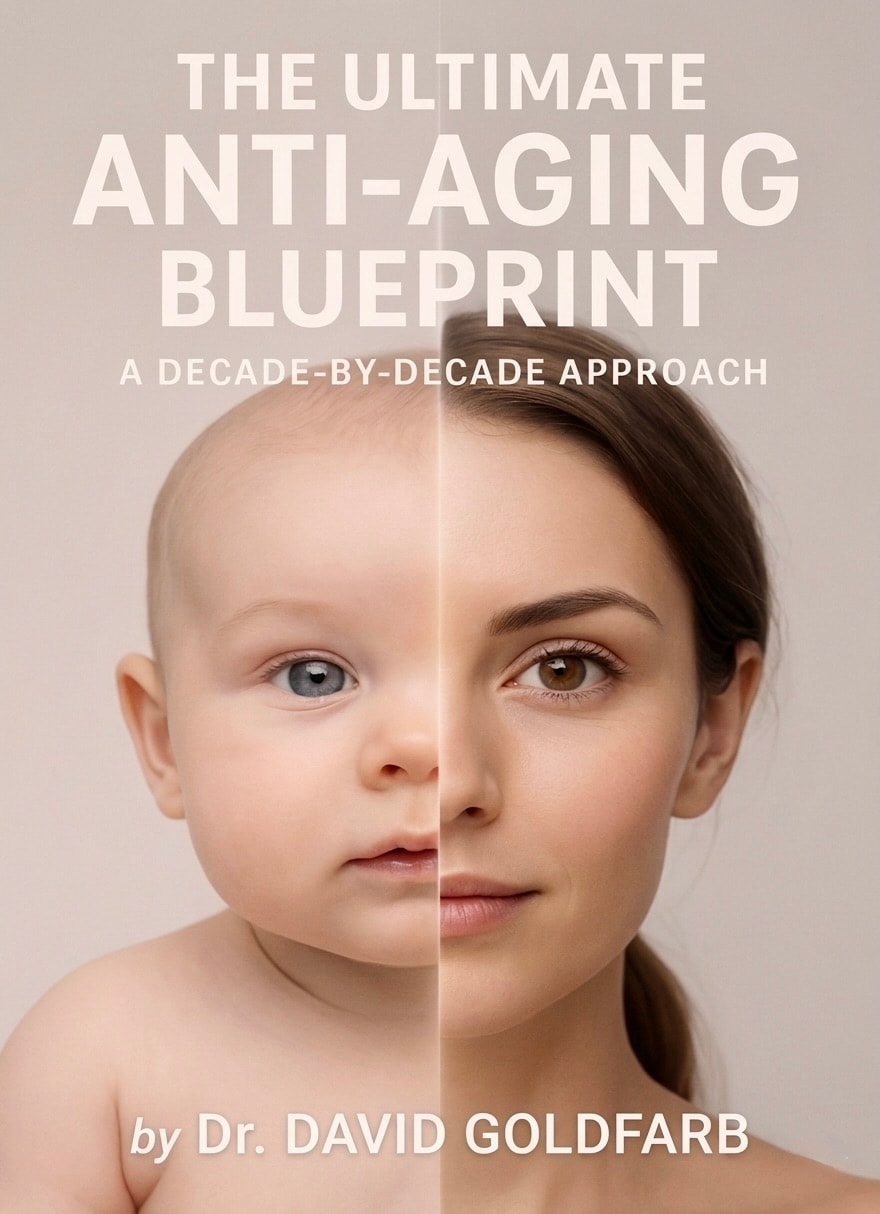
David Goldfarb, DO, FACS served for 26 years as Chief of Otolaryngology-Head & Neck Surgery at Penn Medicine Princeton Medical Center. His book, The Ultimate Anti-Aging Blueprint, covers the full spectrum of evidence-based longevity strategies.
Explore Topics
Written by
David Goldfarb, DO, FACS
Content creator and writer sharing insights and stories.