Aging in Your 50s: The Decade of Transition and Opportunity
The 50s bring the most significant hormonal transitions of adult life. Understanding what is happening biologically makes the difference between navigating this decade well and struggling through it.

Aging in Your 50s: The Decade of Transition and Opportunity
No decade of adult life brings more biological change than the 50s.
For women, menopause typically occurs in the early-to-mid 50s, marking the end of reproductive hormonal cycling and triggering a cascade of physiological changes that affect bone density, cardiovascular risk, cognitive function, and body composition. For men, the hormonal changes are more gradual but no less real. For everyone, the 50s are when the cumulative effects of decades of lifestyle choices become most visible in health outcomes.
This is also, the research suggests, a decade of genuine opportunity. The interventions available in the 50s are effective. The time horizon is long enough for them to pay off substantially. And the understanding of what matters, accumulated over decades of living, makes it easier to focus on what actually counts.
The Hormonal Landscape
Menopause is the defining biological event of the 50s for women. The cessation of ovarian estrogen production has effects throughout the body that extend well beyond reproductive function.
Bone density accelerates its decline in the years immediately following menopause, driven by the loss of estrogen's bone-protective effects. The risk of osteoporotic fracture rises significantly. Cardiovascular risk, which was partially buffered by estrogen in premenopausal women, rises to approach male levels within a decade of menopause. Cognitive changes, including memory fluctuations and processing speed, are commonly reported and are at least partly attributable to hormonal shifts.
The evidence on hormone therapy has evolved considerably since the Women's Health Initiative findings of the early 2000s, which generated widespread concern about risks. Current evidence suggests that for healthy women who begin hormone therapy in their 50s, close to the onset of menopause, the risk-benefit profile is considerably more favorable than the WHI suggested. This is an area where a conversation with a knowledgeable physician is genuinely important.
For men, testosterone continues its gradual decline, and the cumulative effect over two decades becomes more noticeable in the 50s. Reduced muscle mass, changes in body composition, lower energy, and changes in libido are common. Whether testosterone replacement is appropriate depends on clinical context and individual values, and the evidence base is more nuanced than popular discussion suggests.
Cardiovascular Risk Becomes the Central Concern
The 50s are when cardiovascular disease risk becomes the dominant health concern for most people.
Atherosclerosis that has been developing silently for decades becomes clinically significant. Blood pressure tends to rise. Arterial stiffness increases. The risk of a first cardiac event rises substantially in the 50s, particularly for men and for postmenopausal women.
The good news is that the risk factors driving cardiovascular disease are largely modifiable, and the 50s are not too late to intervene meaningfully. Blood pressure control, lipid management, smoking cessation, and regular exercise all reduce cardiovascular risk substantially even when started in the 50s.
Advanced cardiovascular risk assessment, including coronary artery calcium scoring, can identify people with subclinical atherosclerosis who would benefit from more aggressive risk factor management. This is a conversation worth having with your physician in the 50s.
Cognitive Health Deserves Attention
Cognitive changes in the 50s are common and, for most people, represent normal aging rather than early dementia. Processing speed slows. Working memory becomes less reliable. Word retrieval takes a moment longer.
These changes are real but do not indicate inevitable decline. The concept of cognitive reserve, the brain's resilience to age-related changes, is well-supported in the research. People with higher cognitive reserve show slower decline and later onset of dementia symptoms even when underlying pathology is present.
Cognitive reserve is built through intellectual engagement, social connection, physical exercise, and sleep. The 50s are a time to invest in these deliberately, not as a hedge against an uncertain future but because the evidence for their benefit is robust.
What the Research Supports
Exercise remains the most powerful intervention available. The combination of resistance training (for muscle mass, bone density, and metabolic health) and aerobic exercise (for cardiovascular fitness and cognitive function) has more evidence behind it than any pharmaceutical intervention for healthy aging in the 50s.
Bone health requires specific attention. Adequate calcium and vitamin D intake, resistance training, and in some cases pharmacological intervention are evidence-based approaches to reducing fracture risk. Bone density testing (DEXA scan) is recommended for women at menopause and for men with risk factors.
Sleep apnea screening is important. The prevalence of sleep apnea rises significantly in the 50s, and it is a major driver of cardiovascular risk, metabolic dysfunction, and cognitive impairment. If you snore, wake unrefreshed, or have been told you stop breathing during sleep, evaluation is warranted.
Metabolic monitoring intensifies. Annual assessment of blood pressure, fasting glucose, HbA1c, lipid panel, and kidney function becomes standard of care in the 50s. These numbers guide both lifestyle and clinical decisions.
The Longer View
The 50s can feel like a decade of loss, of capacities diminishing and risks rising. The research supports a different framing.
The 50s are when the investments made in earlier decades pay dividends, and when new investments still have decades to compound. A person who builds or maintains their fitness in the 50s, manages their cardiovascular risk factors, and addresses sleep and stress is not just healthier at 55. They are setting the trajectory for a 70s and 80s that look fundamentally different from the alternative.
The biology of the 50s is real. So is the opportunity.
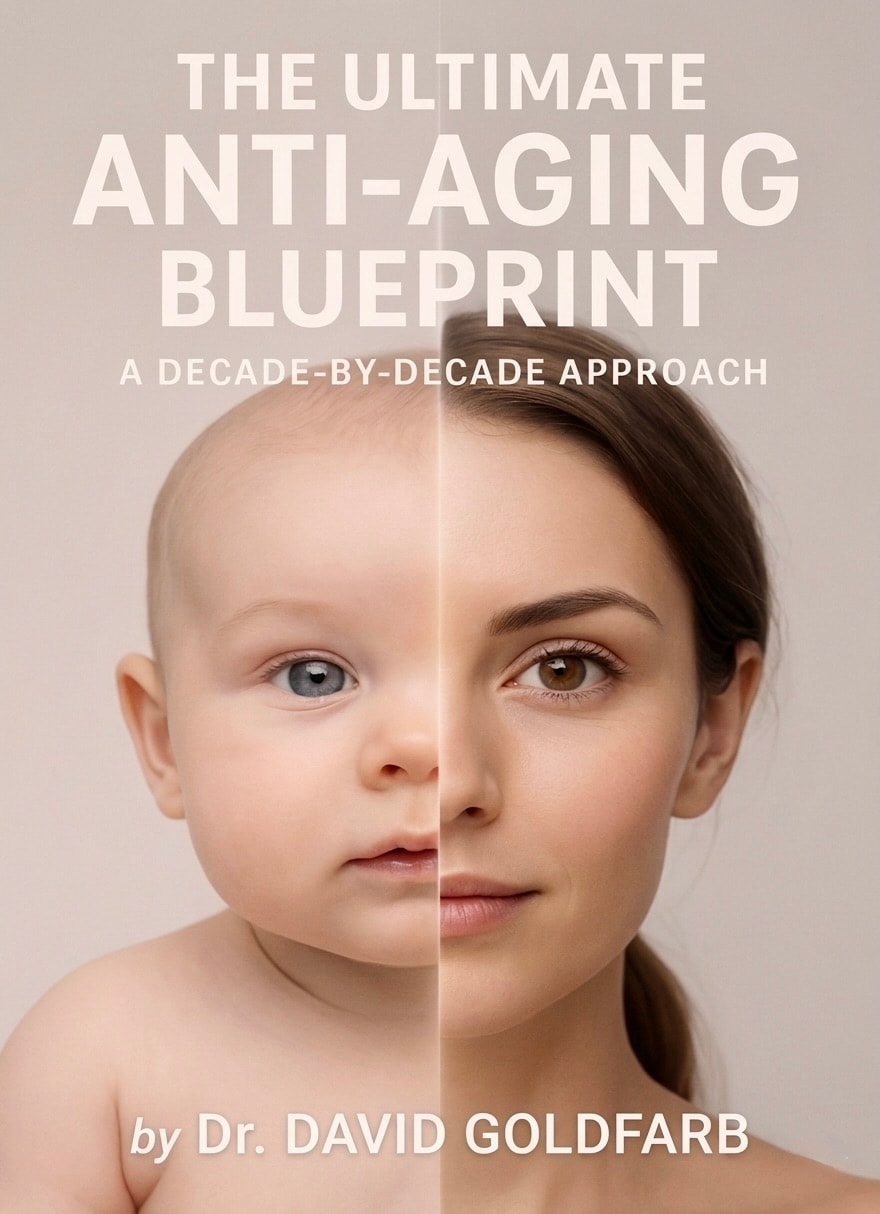
The Ultimate Anti-Aging Blueprint covers the 50s in depth, including the evidence on hormone therapy, cardiovascular risk management, and the specific exercise and nutrition strategies that matter most in this decade.
Explore Topics
Written by
David Goldfarb, DO, FACS
Content creator and writer sharing insights and stories.