Aging in Your 70s and Beyond: The Science of Staying Fully Alive
The 70s are not the end of the longevity story. The research on what keeps people functional, independent, and cognitively sharp into their 80s and 90s is more optimistic than most people expect.

Aging in Your 70s and Beyond: The Science of Staying Fully Alive
There is a tendency in popular culture to treat the 70s as the beginning of the end, the decade when aging becomes irreversible and the best available strategy is graceful acceptance.
The research does not support this view.
Studies of people in their 70s, 80s, and 90s who maintain physical function, cognitive sharpness, and genuine quality of life consistently find that the factors separating them from their less fortunate peers are not primarily genetic. They are behavioral, medical, and social. The 70s are not too late. In many cases, they are exactly the right time to intervene.
What Is Actually Happening Biologically
The 70s bring a genuine acceleration of several aging processes that were more gradual in earlier decades.
Sarcopenia, the age-related loss of skeletal muscle, progresses at a faster rate. By the early 70s, many people have lost 20-30% of the muscle mass they had at peak. This matters not just for physical appearance but for metabolic health, fall risk, functional independence, and survival after illness or injury. Muscle is not just tissue for movement. It is a metabolic organ, an immune reservoir, and a survival buffer.
Bone density continues to decline, and the risk of osteoporotic fracture rises substantially. Hip fractures in older adults are associated with dramatically increased mortality in the year following the event, not because the fracture itself is fatal but because of the cascade of complications, immobility, and loss of function that follows.
Cardiovascular changes include increased arterial stiffness, reduced cardiac reserve, and higher resting blood pressure. The heart becomes less able to respond to sudden demands, which is why acute illness or physical stress is more dangerous in the 70s than in earlier decades.
Immune function declines in a process called immunosenescence. The immune system becomes less effective at fighting new infections and less able to clear senescent cells and abnormal cells that might otherwise be eliminated. This contributes to both increased infection risk and increased cancer risk.
Cognitive changes become more noticeable. Processing speed, working memory, and multitasking ability all decline. For most people, these changes represent normal aging. For some, they represent the early stages of neurodegenerative disease. The distinction matters, and early evaluation is worthwhile if changes are rapid or functionally significant.
The Research on What Works
The most important finding from research on aging in the 70s is that the interventions that work are the same ones that work at every age, but their effects are more visible and their stakes are higher.
Resistance training produces meaningful results even in the 70s and 80s. This is one of the most consistently replicated findings in gerontology. Studies have found that people in their 80s and 90s can build meaningful muscle mass with resistance training. The stimulus required is greater than in younger adults, and recovery takes longer, but the response is real. Resistance training in the 70s reduces fall risk, improves bone density, preserves functional independence, and has measurable effects on cognitive function.
Protein intake becomes more critical, not less. Older adults have reduced anabolic sensitivity, meaning the same protein intake produces less muscle protein synthesis than it would in a younger person. Research suggests that protein requirements increase with age, and that distributing protein intake across meals improves utilization. Adequate protein in the 70s is one of the most underappreciated interventions for preserving muscle mass and functional independence.
Fall prevention deserves specific attention. Falls are the leading cause of injury-related death in older adults. Balance training, strength training, medication review (many common medications impair balance), and home safety modifications are all evidence-based approaches. This is an area where a small investment of attention produces large returns.
Social engagement is not optional. The research on social isolation and aging is striking. Chronic loneliness is associated with accelerated cognitive decline, increased cardiovascular risk, and higher all-cause mortality. The mechanisms are biological, not just psychological. Social connection activates immune and hormonal pathways that support health. Maintaining and building social relationships in the 70s is a genuine health intervention.
Cognitive engagement matters. The concept of cognitive reserve, the brain's resilience to age-related changes, is supported by decades of research. Intellectually stimulating activity, learning new skills, and social engagement are all associated with slower cognitive decline and later onset of dementia symptoms. The 70s are a time to invest in cognitive health deliberately.
Managing Complexity
The 70s often bring polypharmacy, the use of multiple medications, which creates its own risks. Drug interactions, side effects that impair balance or cognition, and medications that are no longer appropriate for an older physiology are common problems. A medication review with a physician who understands geriatric pharmacology is worthwhile for anyone taking multiple medications.
Chronic disease management becomes more complex in the 70s, as multiple conditions interact and treatment decisions require balancing competing risks. The goal shifts from preventing disease to maintaining function and quality of life, which sometimes requires different clinical priorities than those applied to younger patients.
The Honest Picture
The 70s are a decade of genuine biological challenge. The changes are real, and some of them are not reversible. But the research on people who age well into their 80s and 90s is consistently more optimistic than the cultural narrative suggests.
Physical function, cognitive sharpness, and genuine quality of life are not simply matters of luck or genetics. They are substantially shaped by choices that remain within reach in the 70s. The trajectory is not fixed.
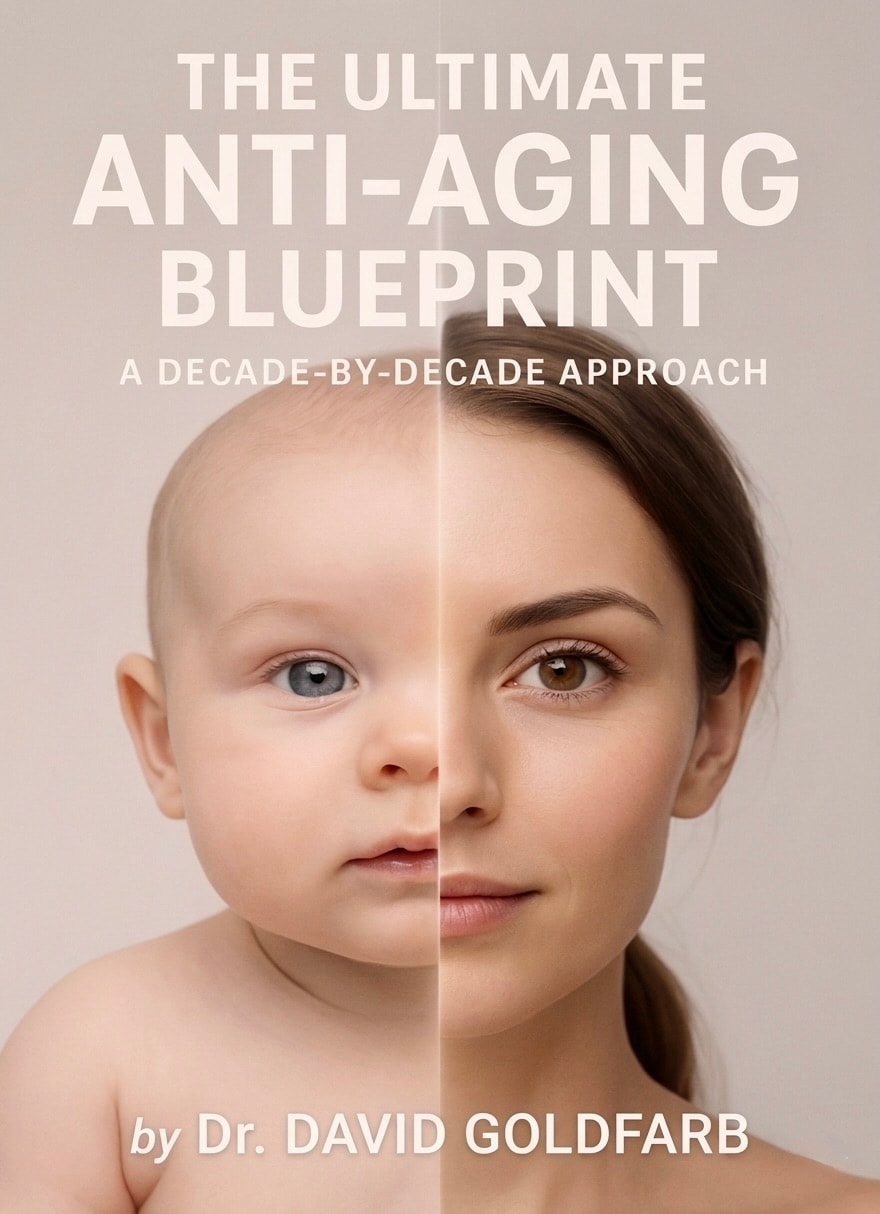
The Ultimate Anti-Aging Blueprint covers the 70s and beyond in detail, with specific guidance on resistance training, fall prevention, cognitive health, and the medical monitoring that matters most in this decade.
Explore Topics
Written by
David Goldfarb, DO, FACS
Content creator and writer sharing insights and stories.