Alcohol and Aging: What the Latest Research Actually Shows
The "moderate drinking is healthy" narrative has collapsed under scrutiny. Here is what the current evidence says about alcohol, aging, and longevity.

Alcohol and Aging: What the Latest Research Actually Shows
For decades, the medical establishment promoted the idea that moderate alcohol consumption (particularly red wine) was cardioprotective. The "J-curve" hypothesis suggested that light to moderate drinkers had lower cardiovascular mortality than both heavy drinkers and abstainers.
That narrative has largely collapsed under the weight of better research. The 2023 World Health Organization statement was unambiguous: "When it comes to alcohol consumption, there is no safe amount that does not affect health." Understanding what the current evidence actually shows, and why the earlier research was misleading, matters for anyone making evidence-based decisions about longevity.
Why the Earlier Research Was Wrong
The apparent cardiovascular benefit of moderate drinking in observational studies was largely an artifact of a methodological problem called the "sick quitter" bias.
Many studies compared moderate drinkers to "abstainers," but the abstainer category included people who had quit drinking due to illness. These sick quitters had worse health outcomes not because they abstained from alcohol, but because they were already sick. When studies excluded sick quitters and compared moderate drinkers to lifetime abstainers, the cardiovascular benefit largely disappeared.
A 2022 meta-analysis in JAMA Network Open that carefully controlled for sick quitter bias found no significant cardiovascular benefit for moderate drinking compared to lifetime abstinence.
Mendelian randomization studies use genetic variants associated with alcohol metabolism to estimate causal effects, bypassing the confounding problems of observational research. These studies have consistently found that alcohol consumption increases cardiovascular risk in a dose-dependent manner, with no protective threshold.
What Alcohol Actually Does to the Aging Body
Cancer Risk
Alcohol is classified as a Group 1 carcinogen by the International Agency for Research on Cancer, the same category as tobacco and asbestos. The causal link between alcohol and cancer is well-established for cancers of the mouth, throat, esophagus, liver, colon, rectum, and breast.
The breast cancer link is particularly important and underappreciated. A 2020 analysis found that even one drink per day increases breast cancer risk by approximately 7-10%. There is no safe threshold for alcohol and breast cancer risk.
The mechanism involves acetaldehyde, the primary metabolite of alcohol, which is directly genotoxic, damaging DNA and impairing DNA repair mechanisms. Alcohol also increases estrogen levels (relevant to hormone-sensitive cancers), generates reactive oxygen species, and impairs folate metabolism.
Brain Aging and Dementia
The brain is particularly vulnerable to alcohol's effects. Even moderate drinking accelerates brain aging in ways that are now visible on MRI.
A 2022 study in Nature Communications analyzing brain imaging data from over 36,000 adults found that alcohol consumption was associated with reduced brain volume in a dose-dependent manner, with no safe threshold. Even going from zero to one drink per day was associated with measurable brain volume loss equivalent to approximately 2 years of aging.
Alcohol disrupts sleep architecture, reducing slow-wave sleep and REM sleep. Both are critical for memory consolidation and brain waste clearance via the glymphatic system. Chronic alcohol use is associated with thiamine deficiency, which can cause Wernicke-Korsakoff syndrome, a severe neurological condition.
Heavy drinking is a well-established risk factor for dementia. The relationship between moderate drinking and dementia is more contested, but the brain imaging data suggests there is no truly safe level for brain volume preservation.
Liver Health
The liver bears the primary burden of alcohol metabolism. Even moderate drinking causes hepatic fat accumulation (alcoholic fatty liver disease) in susceptible individuals. Progression to alcoholic hepatitis and cirrhosis requires heavier consumption, but the continuum begins at lower doses than most people realize.
Non-alcoholic fatty liver disease (NAFLD), now renamed metabolic dysfunction-associated steatotic liver disease (MASLD), is already epidemic due to metabolic syndrome. Adding alcohol to a liver already stressed by metabolic dysfunction accelerates damage.
Sleep Disruption
Alcohol is widely used as a sleep aid, but it is a poor one. While alcohol reduces sleep onset latency (time to fall asleep), it significantly disrupts sleep architecture in the second half of the night, suppressing REM sleep, increasing sleep fragmentation, and reducing slow-wave sleep.
The net effect is that alcohol-assisted sleep is less restorative than natural sleep, even when total sleep time appears adequate. Given that sleep quality is one of the most important determinants of cognitive function, metabolic health, and longevity, this is a meaningful cost.
Cardiovascular Effects: A More Nuanced Picture
The cardiovascular picture is more complex than either "alcohol is protective" or "alcohol is purely harmful."
Alcohol does raise HDL cholesterol, but this appears to be a less protective form of HDL than that raised by exercise. It also reduces fibrinogen (a clotting factor), which may reduce thrombotic risk.
However, alcohol increases blood pressure, promotes atrial fibrillation even at moderate doses (a phenomenon called "holiday heart syndrome"), raises triglycerides, and increases the risk of cardiomyopathy with heavier use.
The net cardiovascular effect appears to be neutral to slightly harmful at moderate doses, with clear harm at higher doses. That is not the protective effect that earlier research suggested.
The Resveratrol Red Herring
Much of the enthusiasm for red wine's health benefits was attributed to resveratrol, a polyphenol found in grape skins. Animal studies showed impressive effects on longevity pathways.
The problem: the amounts of resveratrol in red wine are far too small to produce the effects seen in animal studies. You would need to drink hundreds of glasses of wine per day to achieve the doses used in rodent experiments. Clinical trials of resveratrol supplements in humans have been largely disappointing.
The polyphenols in red wine may have some modest benefits, but they can be obtained from grape juice, berries, or other plant foods without the alcohol.
Practical Guidance
The current evidence does not support the idea that any amount of alcohol is beneficial for longevity. The question is how to think about risk in the context of a life that includes social drinking.
If you currently drink heavily: Reducing consumption has clear, well-documented benefits for liver health, cardiovascular risk, cancer risk, and brain health. This is the highest-leverage change.
If you drink moderately (1-2 drinks per day): The evidence suggests this is not risk-free, particularly for cancer and brain aging. Whether to reduce or eliminate is a personal decision that should be made with accurate information rather than the outdated "moderate drinking is healthy" narrative.
If you drink occasionally (a few drinks per week): The absolute risk increase at this level is small, though not zero. Context matters. Drinking socially in a relaxed setting may have social benefits that partially offset the physiological costs.
If you do not drink: The evidence does not support starting for health reasons.
The Bottom Line
The science on alcohol and health has shifted substantially in the past decade. The cardiovascular benefit of moderate drinking was largely a statistical artifact. The cancer risk, brain aging effects, and sleep disruption are real and dose-dependent with no clear safe threshold.
This does not mean that having a glass of wine with dinner is going to dramatically shorten your life. It means that alcohol should be understood as a risk factor, not a health food, and that decisions about drinking should be made with accurate information about what the current evidence actually shows.
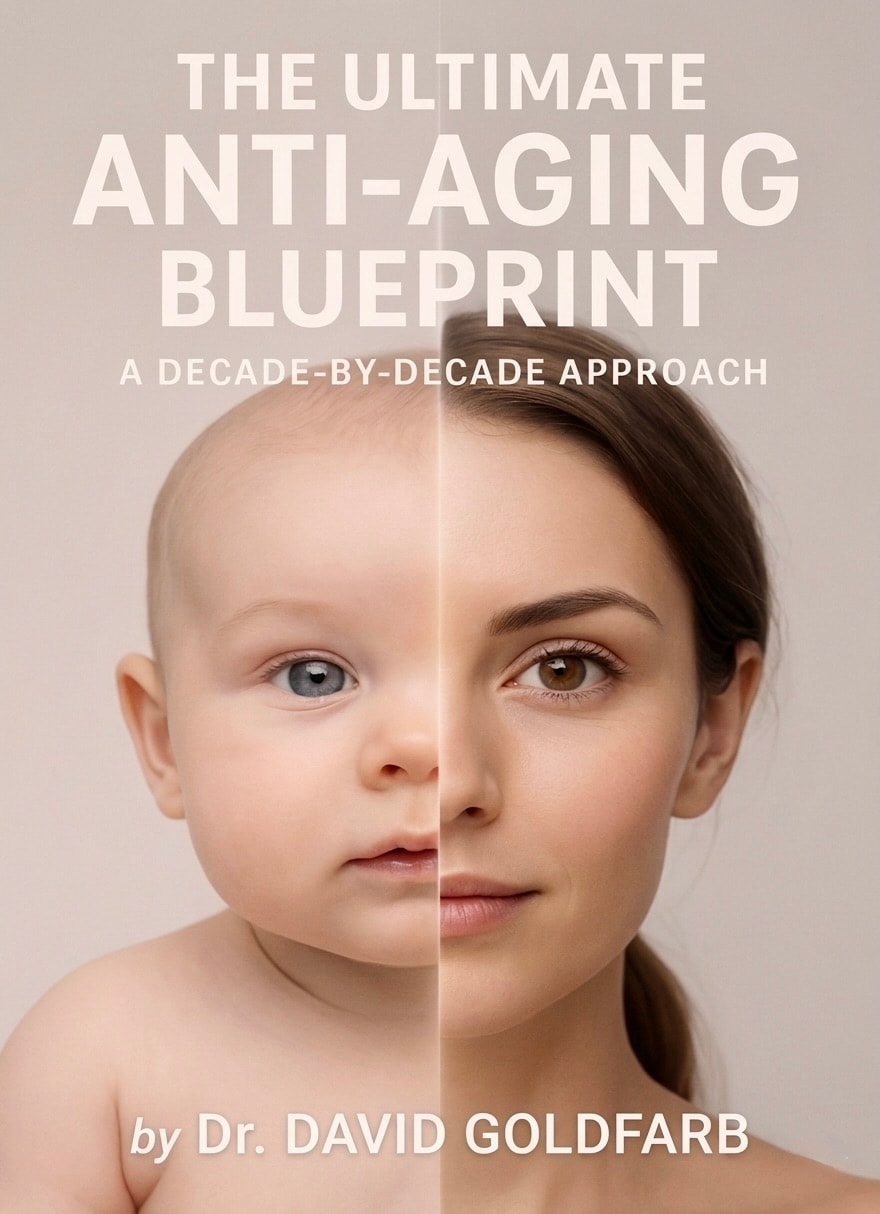
David Goldfarb, DO, FACS served for 26 years as Chief of Otolaryngology-Head & Neck Surgery at Penn Medicine Princeton Medical Center. His book, The Ultimate Anti-Aging Blueprint, covers the full spectrum of evidence-based longevity strategies.
Explore Topics
Written by
David Goldfarb, DO, FACS
Content creator and writer sharing insights and stories.