What Are Telomeres and Why Do They Matter?
Telomeres are the protective caps on your chromosomes. Understanding how they shorten with age is one of the most important insights in modern longevity science.

What Are Telomeres and Why Do They Matter?
Every time one of your cells divides, something small but significant happens: the protective caps on the ends of your chromosomes get a little shorter. These caps are called telomeres, and their gradual erosion is one of the most well-documented mechanisms of biological aging.
Understanding telomeres won't just satisfy scientific curiosity. It changes how you think about the choices you make every day.
The Shoelace Analogy
Think of your chromosomes as shoelaces. The plastic tips at the ends the aglets keep the lace from fraying. Telomeres serve the same function for your DNA. Without them, chromosomes would fuse together or degrade, causing cellular chaos.
Each time a cell divides, the telomere gets slightly shorter. This is not a flaw in the system it's a built-in limit. When telomeres become critically short, the cell either stops dividing (entering a state called senescence) or triggers its own death (apoptosis). Both outcomes accumulate with age and contribute to the physical signs of getting older.
Why Cell Division Matters
Your body replaces billions of cells every day. Skin cells, gut lining cells, immune cells they're constantly turning over. This renewal depends on healthy cell division. When telomeres shorten to the point where division becomes unreliable or impossible, tissue repair slows, immune function declines, and the risk of age-related disease rises.
This is not theoretical. Research published in peer-reviewed journals has linked shorter telomere length to increased risk of cardiovascular disease, type 2 diabetes, and cognitive decline.
What Accelerates Telomere Shortening?
Not all telomere shortening is equal. Some of it is simply the cost of being alive unavoidable biological wear. But a meaningful portion is influenced by lifestyle factors that are within your control.
Peer-reviewed research has consistently identified several accelerants:
Chronic psychological stress is among the most studied. A landmark paper by Blackburn and Epel work that contributed to a Nobel Prize found that women caring for chronically ill children had significantly shorter telomeres than age-matched controls. The more years of caregiving, the shorter the telomeres.
Poor sleep is another well-documented factor. Sleep is when your cells do much of their repair work. Consistently short or fragmented sleep is associated with accelerated telomere attrition.
Smoking has a direct oxidative effect on telomeres. Smokers consistently show shorter telomeres than non-smokers of the same age.
Chronic inflammation sometimes called "inflammaging" creates an oxidative environment that damages telomeres over time. Diet, sedentary behavior, and excess body fat all contribute to this low-grade inflammatory state.
What Can Slow It Down?
This is where the science becomes genuinely encouraging. Several lifestyle interventions have been associated with slower telomere shortening or even modest lengthening in some studies.
Aerobic exercise has the most consistent evidence. Multiple studies have found that regular moderate-intensity exercise is associated with longer telomeres compared to sedentary controls. The mechanism likely involves reduced oxidative stress and inflammation.
Stress reduction practices including mindfulness meditation have shown measurable effects in small but carefully conducted trials. The Blackburn-Epel research group found that intensive meditation retreats were associated with increased telomerase activity, the enzyme that rebuilds telomeres.
Dietary patterns matter as well. The Mediterranean diet, rich in antioxidants and anti-inflammatory compounds, has been associated with longer telomeres in observational studies.
Sleep quality rounds out the picture. Prioritizing consistent, restorative sleep appears to reduce the rate of telomere attrition.
What Telomeres Can't Tell You
It's worth being honest about the limits of this science. Telomere length is one marker of biological aging not the only one, and not a perfect predictor of individual health outcomes. Commercial telomere testing exists, but the clinical utility of a single measurement is limited. Telomere length varies between cell types, fluctuates over time, and is influenced by factors that testing can't fully account for.
What the research does support is the general principle: the same lifestyle choices that protect your heart, brain, and metabolic health also appear to protect your telomeres. There's no separate "telomere protocol." The fundamentals are the fundamentals.
The Bigger Picture
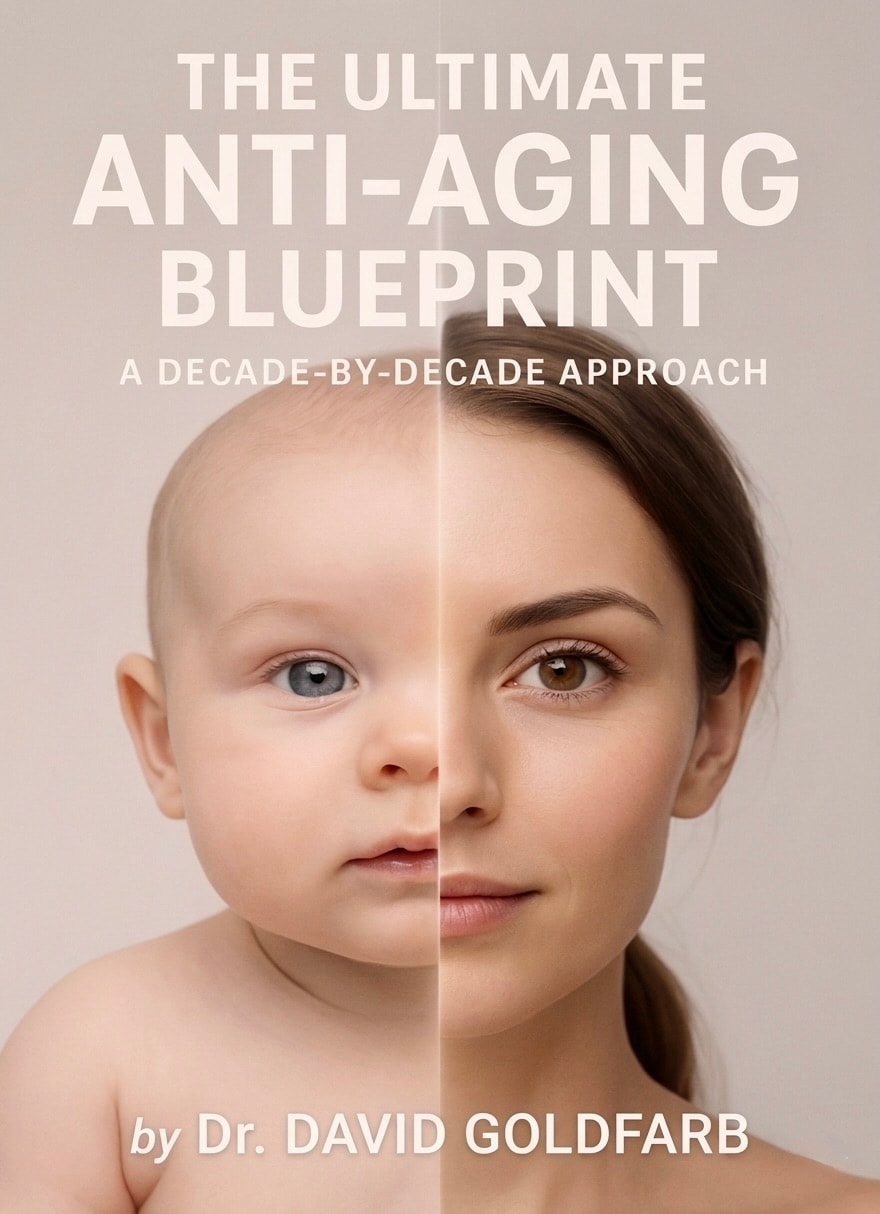
Telomere biology is one of seven core mechanisms of aging explored in The Ultimate Anti-Aging Blueprint. Each mechanism tells part of the story. Together, they explain why aging happens the way it does and why the choices you make in your 30s, 40s, 50s, and beyond have compounding effects on how you feel and function decades later.
The science is more actionable than most people realize. That's the point of the book.
Explore Topics
Written by
Dr. Goldfarb
Content creator and writer sharing insights and stories.