Social Connection and Longevity: The Science of Belonging
Loneliness is as dangerous as smoking 15 cigarettes a day. The science of social connection and aging is among the most consistent findings in all of longevity research.

Social Connection and Longevity: The Science of Belonging
In 2023, the U.S. Surgeon General issued an advisory declaring loneliness and social isolation a public health epidemic. The document cited research showing that lacking social connection increases the risk of premature death by 26%, comparable to smoking up to 15 cigarettes per day.
This is not a soft finding. The relationship between social connection and longevity is one of the most consistent and robust in all of epidemiology, replicated across dozens of countries, age groups, and study designs. Yet it receives a fraction of the attention devoted to diet, exercise, and supplements in longevity discussions.
The Evidence Base
The Harvard Study of Adult Development
The longest-running study of adult life ever conducted, the Harvard Study of Adult Development has followed two cohorts of men since 1938: 268 Harvard sophomores and 456 men from Boston's inner-city neighborhoods. The study has now extended to their children and grandchildren.
The central finding, articulated by longtime director Robert Waldinger in one of the most-watched TED talks ever recorded: the quality of relationships is the strongest predictor of health and happiness in later life. Not wealth, not fame, not professional achievement. Relationships.
Men who were most satisfied with their relationships at age 50 were the healthiest at age 80. Loneliness was as physically damaging as smoking or alcoholism.
The Holt-Lunstad Meta-Analysis
A landmark 2015 meta-analysis by Julianne Holt-Lunstad and colleagues, published in Perspectives on Psychological Science, analyzed 148 studies involving over 300,000 participants. The findings:
- Social isolation increased mortality risk by 29%
- Loneliness increased mortality risk by 26%
- Living alone increased mortality risk by 32%
These effects were independent of age, sex, initial health status, and cause of death. The authors concluded that social connection should be considered a major public health priority on par with obesity and physical inactivity.
Blue Zone Confirmation
Every Blue Zone population (Sardinia, Okinawa, Loma Linda, Nicoya, Ikaria) has strong social networks as a defining feature. Okinawan women maintain moais, groups of five lifelong friends who provide emotional and financial support. Sardinian men gather daily at the village bar. Adventists in Loma Linda worship and socialize together weekly.
The convergence across five geographically and culturally distinct populations that differ in diet, genetics, and environment, but share strong social bonds, is striking evidence that social connection is a genuine longevity driver, not merely a correlate.
The Biological Mechanisms
The social connection-longevity link is not just statistical. There are well-characterized biological pathways through which social isolation accelerates aging.
The Stress Response
Loneliness activates the hypothalamic-pituitary-adrenal (HPA) axis, triggering cortisol release. Chronic loneliness means chronically elevated cortisol, which drives systemic inflammation, suppresses immune function, disrupts sleep, and accelerates biological aging through multiple pathways.
Research by John Cacioppo at the University of Chicago showed that lonely individuals have higher overnight cortisol levels, more fragmented sleep, and higher expression of pro-inflammatory genes compared to socially connected individuals, even after controlling for depression and other confounders.
Inflammatory Gene Expression
A 2007 study by Steve Cole and colleagues found that lonely individuals showed a distinct pattern of gene expression: upregulation of pro-inflammatory genes and downregulation of antiviral genes. This "loneliness transcriptome" was associated with increased susceptibility to infection and chronic disease.
This finding has been replicated and extended. Social isolation appears to shift the immune system toward a chronic inflammatory state, the same inflammaging phenotype that drives cardiovascular disease, neurodegeneration, and cancer.
Telomere Length
Multiple studies have found associations between social isolation and shorter telomeres, a marker of cellular aging. A 2011 study in Psychosomatic Medicine found that loneliness was associated with shorter telomere length in older adults, independent of age, sex, and health behaviors.
Cardiovascular Effects
Social isolation is associated with a 29% increased risk of coronary heart disease and a 32% increased risk of stroke, according to a 2016 meta-analysis in Heart. The mechanisms include elevated blood pressure, increased heart rate variability, higher inflammatory markers, and reduced health-promoting behaviors.
Quality vs. Quantity
An important nuance in the research: what matters is the quality of social connections, not the number. Having one or two deeply satisfying relationships is more protective than having many superficial ones.
The Harvard Study found that the subjective quality of relationships at midlife predicted health outcomes decades later. People who felt lonely in a crowd, socially isolated despite being surrounded by others, had worse outcomes than those with fewer but more meaningful connections.
This is relevant in an era of social media, where people can have hundreds of online "connections" while experiencing profound loneliness. The research consistently shows that online social interaction does not substitute for in-person connection in terms of health effects.
Loneliness Is Rising
The timing of the Surgeon General's advisory is not coincidental. Multiple surveys show that loneliness has increased substantially over the past several decades in the United States and other developed countries.
A 2018 Cigna survey found that 46% of Americans reported sometimes or always feeling alone, and 47% felt their relationships were not meaningful. Younger adults (18-22) reported higher loneliness rates than older adults, a reversal of the expected pattern.
The COVID-19 pandemic accelerated these trends. Remote work, reduced community participation, and the normalization of digital-only interaction have created structural conditions that make meaningful social connection harder to maintain.
Practical Implications
The research on social connection and longevity has clear practical implications, even if they are harder to implement than dietary changes or exercise protocols.
Prioritize in-person interaction. The health benefits of social connection appear to require physical presence. Make in-person time with people you care about a non-negotiable priority, not something that happens when everything else is done.
Invest in existing relationships. The quality of relationships matters more than the quantity. Deepening a few existing relationships is more valuable than expanding your social network.
Join a community. Belonging to a group with shared purpose, whether a faith community, a sports team, a volunteer organization, or a regular social gathering, provides the kind of consistent, meaningful social contact that the research associates with longevity.
Address loneliness directly. Loneliness is not a character flaw or a sign of weakness. It is a biological signal, like hunger or pain, that something important is missing. Treating it as a health issue rather than a personal failing is the first step toward addressing it.
Be intentional about social media. Online interaction is not equivalent to in-person connection for health purposes. Use social media to facilitate real-world connection rather than as a substitute for it.
The Bottom Line
The science of social connection and longevity is among the most consistent and compelling in all of medicine. The effect sizes are large, the mechanisms are well-characterized, and the finding replicates across cultures, age groups, and study designs.
Strong social relationships are not a nice-to-have addition to a longevity strategy. They are a core pillar, as important as exercise, sleep, and diet, and arguably more difficult to optimize in modern life. The Blue Zone populations did not achieve their longevity through individual discipline alone. They achieved it through environments and cultures that made meaningful social connection the default.
That is the hardest lesson of longevity research to act on, and probably the most important.
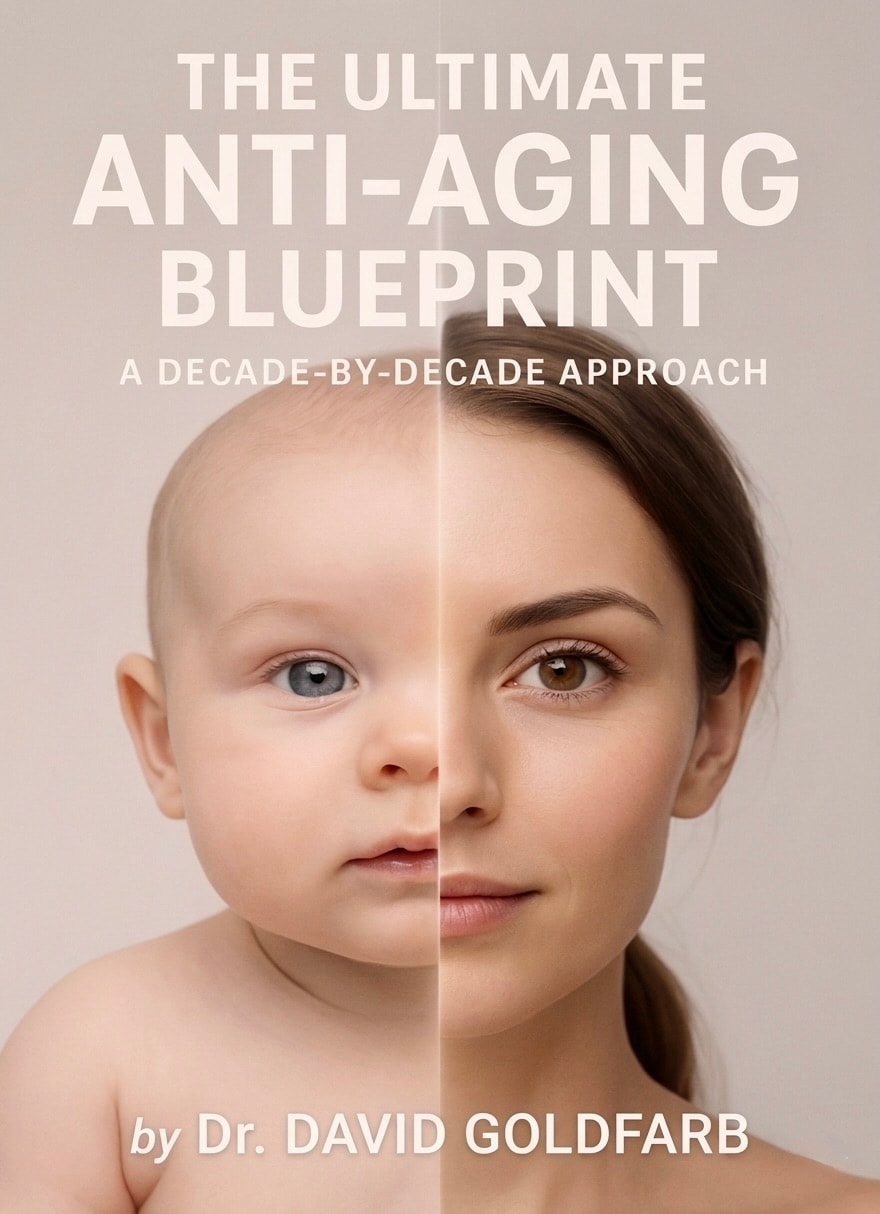
David Goldfarb, DO, FACS served for 26 years as Chief of Otolaryngology-Head & Neck Surgery at Penn Medicine Princeton Medical Center. His book, The Ultimate Anti-Aging Blueprint, covers the full spectrum of evidence-based longevity strategies.
Explore Topics
Written by
David Goldfarb, DO, FACS
Content creator and writer sharing insights and stories.